






Why Work With UsGetting Started — What's Right for Your Store?Using Audio-Visual Displays Effectively in RetailInstallation, Service, and Warranty
Why Work With Us
Why choose The Brain Computer Corporation over other LED signage suppliers?

The Brain Computer Corporation has been delivering AV solutions in the Philippines for over 38 years — making us one of the longest-established audio-visual integration companies in the country. This longevity is not incidental. It reflects a track record of completed projects across retail, corporate, hospitality, education, healthcare, and government sectors; deep relationships with leading hardware manufacturers and technology partners; and a technical team with expertise that takes years of real-world installation experience to develop.
When you work with The Brain Computer Corporation, you are not buying a screen from a supplier. You are engaging a technical partner who will assess your space, specify the right solution for your context, install it to a professional standard, and support it for the life of the asset. We have seen the full evolution of LED display technology — from the earliest large-pitch panels to today's fine-pitch COB and MicroLED systems — and that accumulated knowledge informs every recommendation we make.
When you work with The Brain Computer Corporation, you are not buying a screen from a supplier. You are engaging a technical partner who will assess your space, specify the right solution for your context, install it to a professional standard, and support it for the life of the asset. We have seen the full evolution of LED display technology — from the earliest large-pitch panels to today's fine-pitch COB and MicroLED systems — and that accumulated knowledge informs every recommendation we make.
Who are some of The Brain Computer Corporation’s trusted clients?
The Brain Computer Corporation has worked with a wide range of clients, including Gateway Mall, Ayala Malls Circuit, Smart Araneta Coliseum, Novotel, ABS-CBN, Giordano, PAGCOR, and the Cultural Center of the Philippines, among many others.
Do you serve clients outside of Metro Manila?
Yes. The Brain Computer Corporation serves clients across the Philippines, including key commercial centres in Cebu, Davao, Iloilo, Bacolod, Cavite, La Union, Bataan and other provincial and regional locations.
For projects outside Metro Manila, our team coordinates site visits, installation schedules, and after-sales support based on each project's specific location and requirements. Contact us to discuss your project location and we will advise on timelines and logistics.
For projects outside Metro Manila, our team coordinates site visits, installation schedules, and after-sales support based on each project's specific location and requirements. Contact us to discuss your project location and we will advise on timelines and logistics.
Getting Started — What's Right for Your Store?
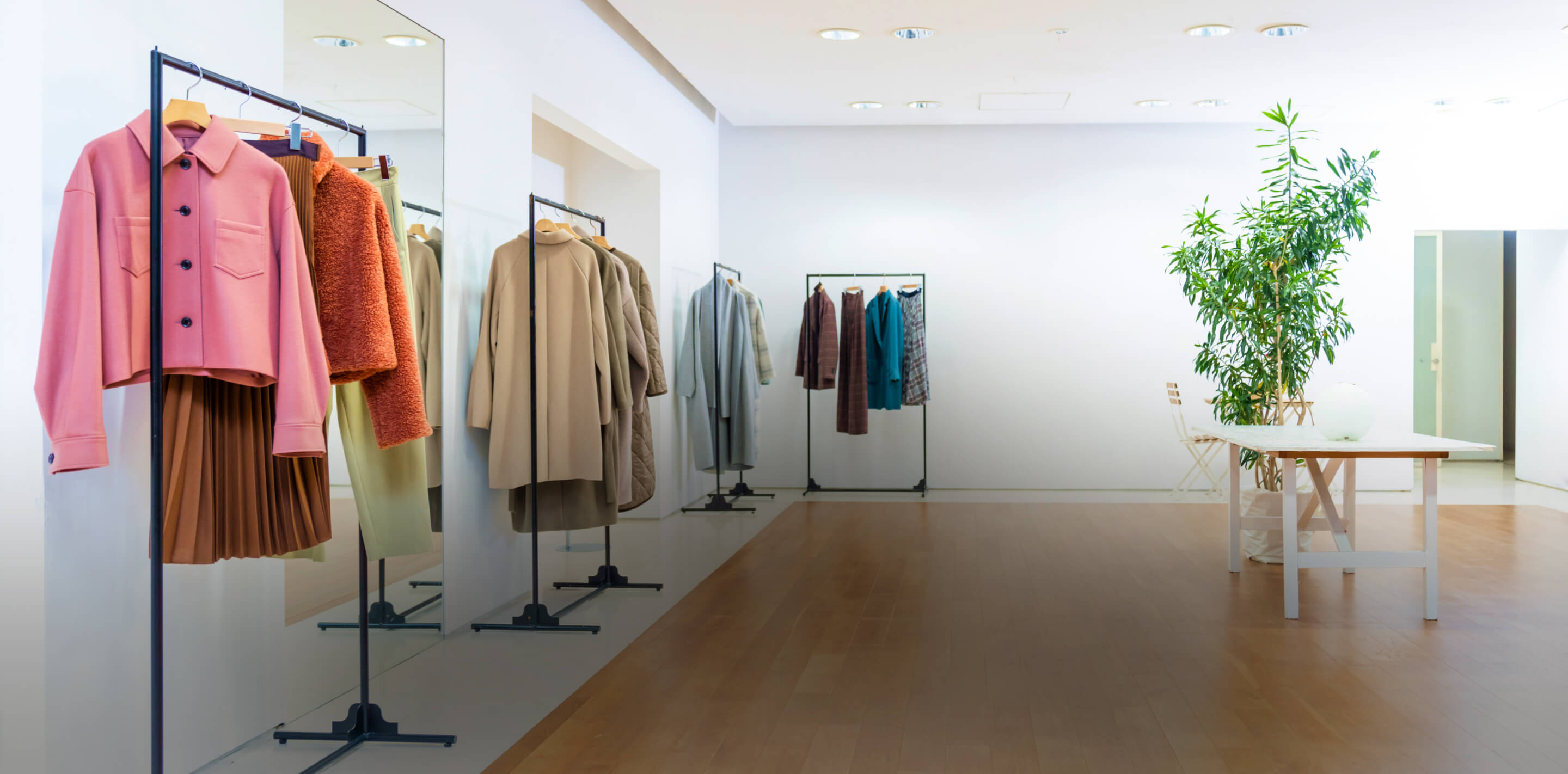
Can LED walls, digital signage, and LED posters actually increase sales in a retail store?
Yes — and the numbers back it up. Retailers using digital displays report an average 31.8% increase in overall sales. Products actively promoted on a digital screen see up to 32% higher unit sales. And digital signage delivers up to 83% message recall, compared to just 44% for printed materials.
The reason is simple. Dynamic content — video, animation, rotating promotions — grabs attention in a way a printed poster never can. A shopper walking past your store at full speed is far more likely to stop for a moving display than a static sign. Once they're inside, well-placed screens keep them engaged longer, which directly increases the chance of a purchase.
The Brain Computer Corporation has installed LED walls and digital signage for retail clients across the Philippines. We can show you real-world examples from stores like yours.
The reason is simple. Dynamic content — video, animation, rotating promotions — grabs attention in a way a printed poster never can. A shopper walking past your store at full speed is far more likely to stop for a moving display than a static sign. Once they're inside, well-placed screens keep them engaged longer, which directly increases the chance of a purchase.
The Brain Computer Corporation has installed LED walls and digital signage for retail clients across the Philippines. We can show you real-world examples from stores like yours.
What is the difference between an LED wall, digital signage, and an LED poster — and which one does my store need?
These three terms describe different products, even though they're often confused. Here's a plain-language breakdown:
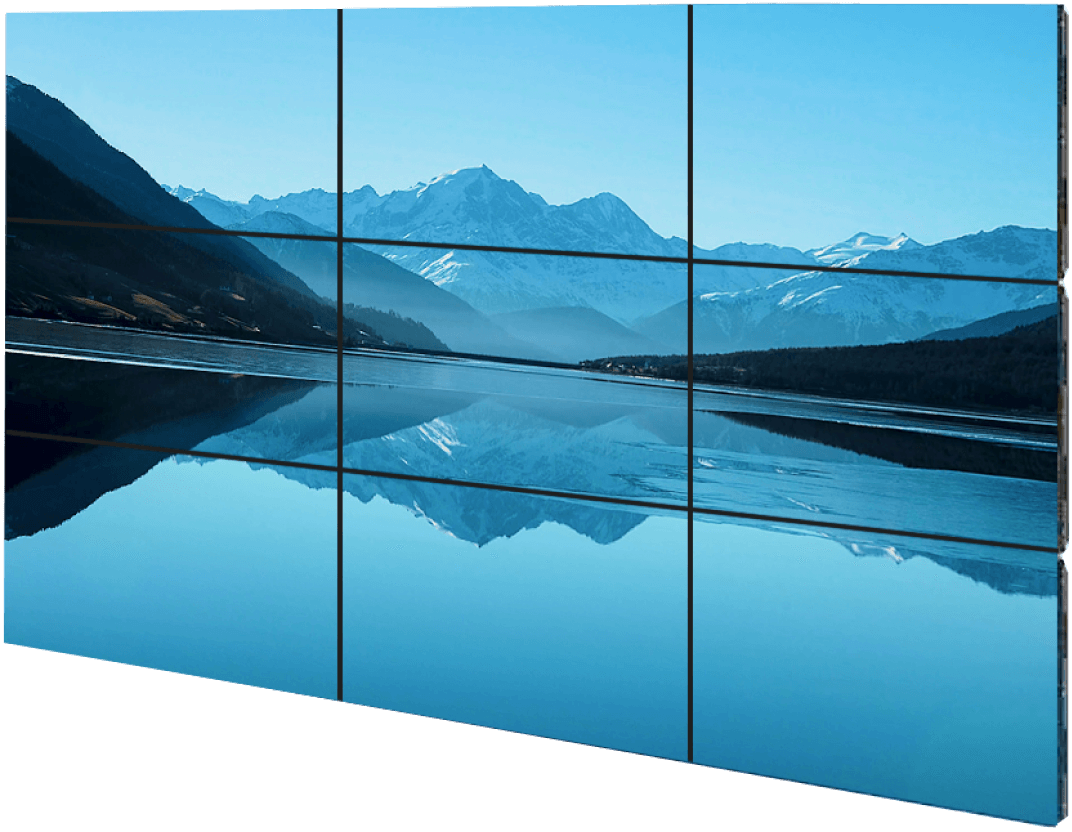
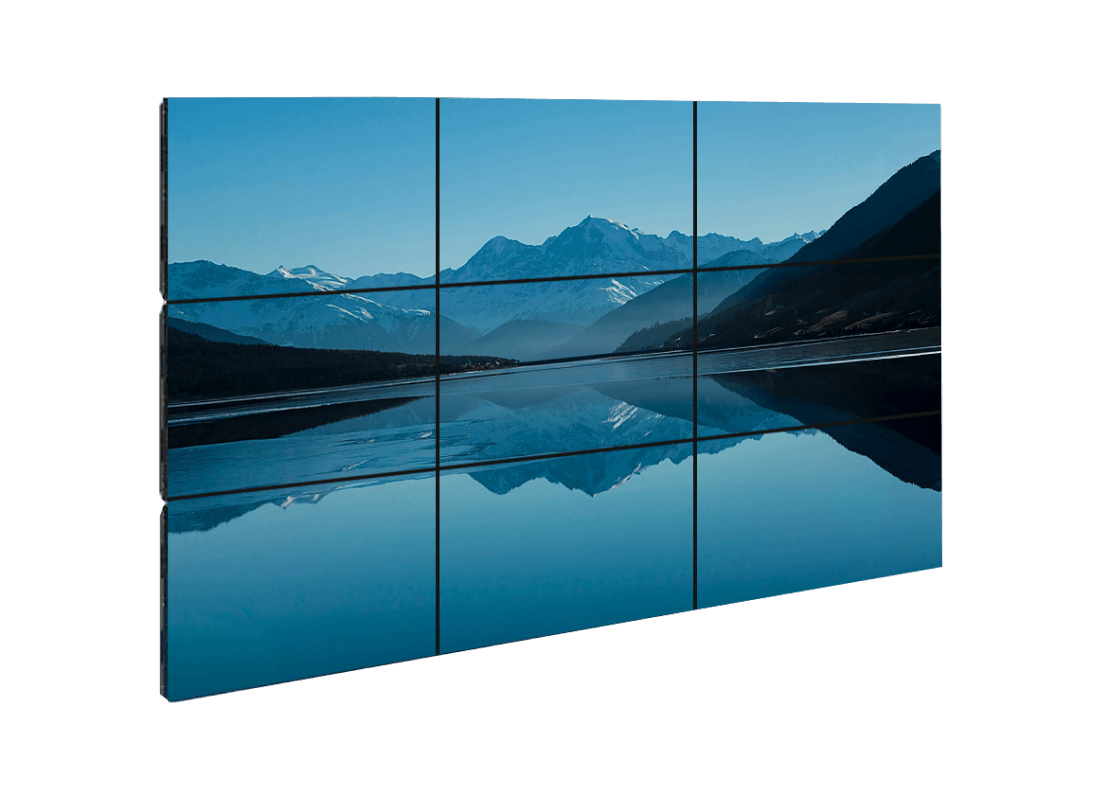
LED wall: A large, seamless display built from modular LED panels. It makes the biggest visual statement and works best for feature walls, shopfront entrances, and flagship brand displays. It's a permanent or semi-permanent installation.
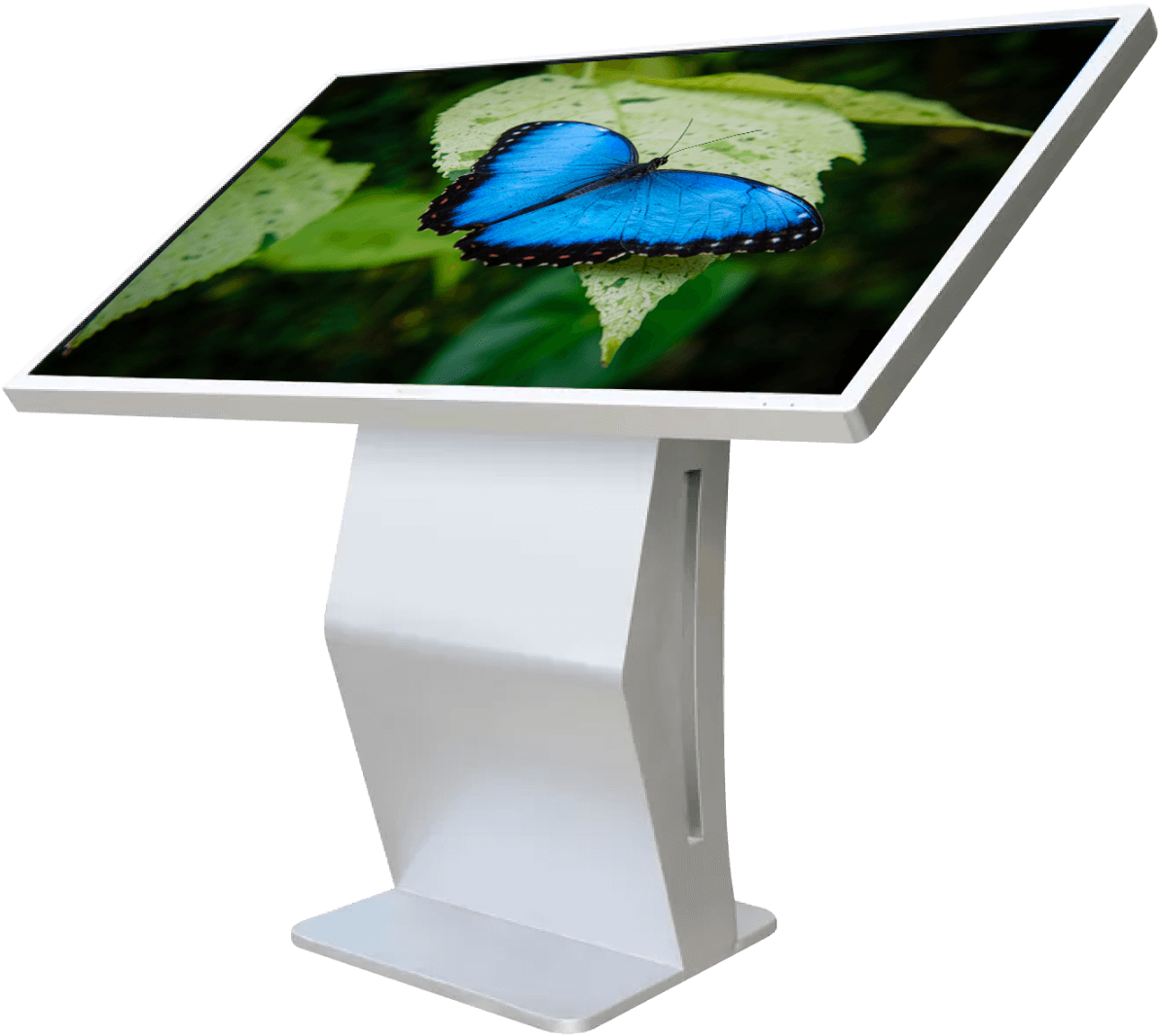
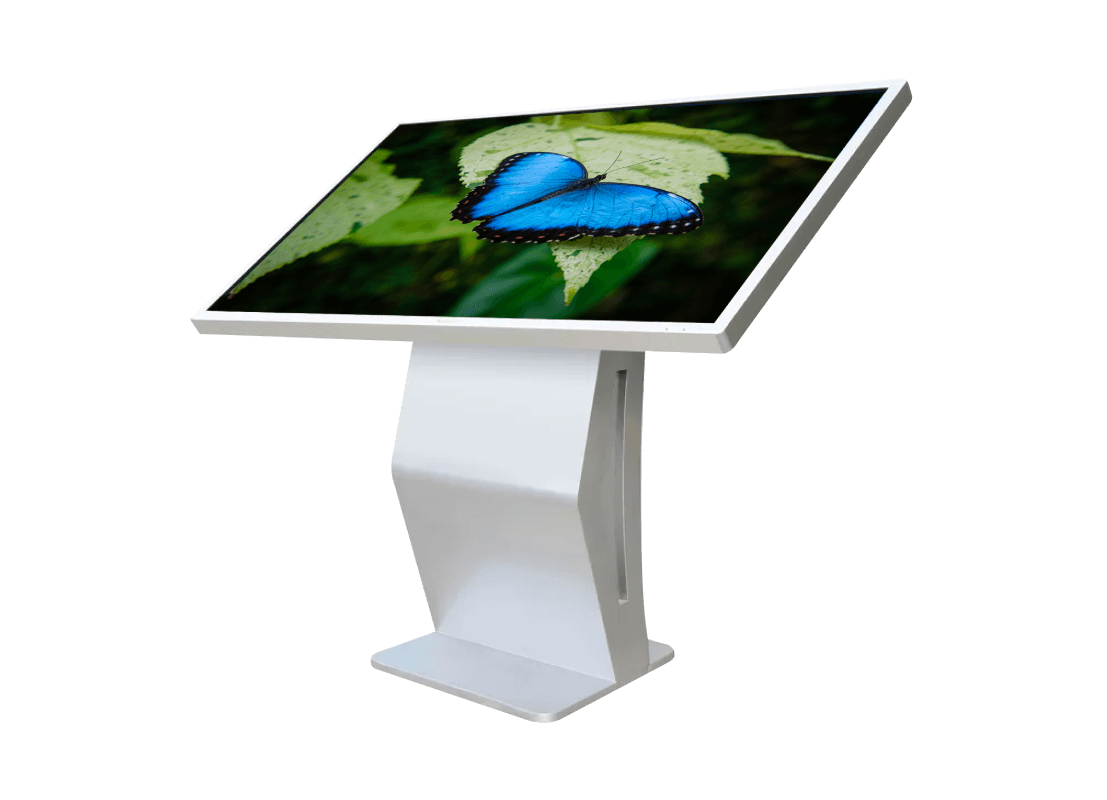
Digital signage: A broader category that includes any screen used to display dynamic content in a commercial space. This covers everything from ceiling-mounted menu boards to corridor screens and product promotion displays. The screen can be LCD or LED. The key feature is that content can be updated remotely and instantly.
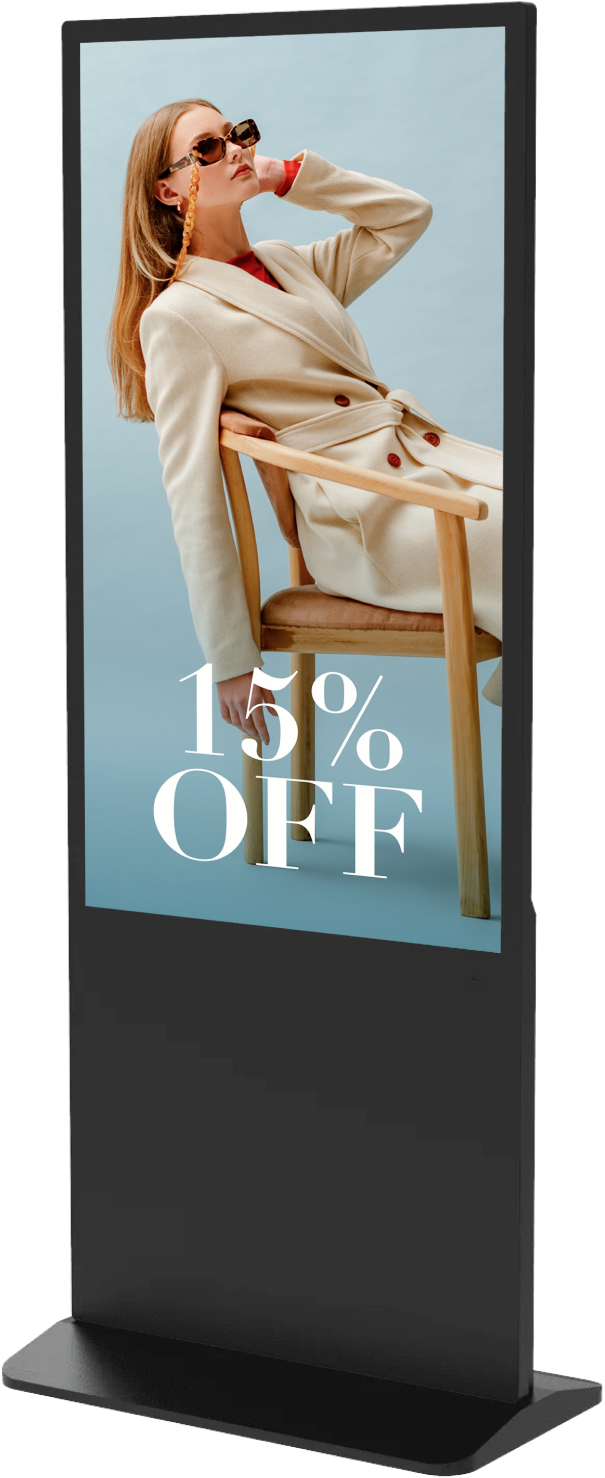
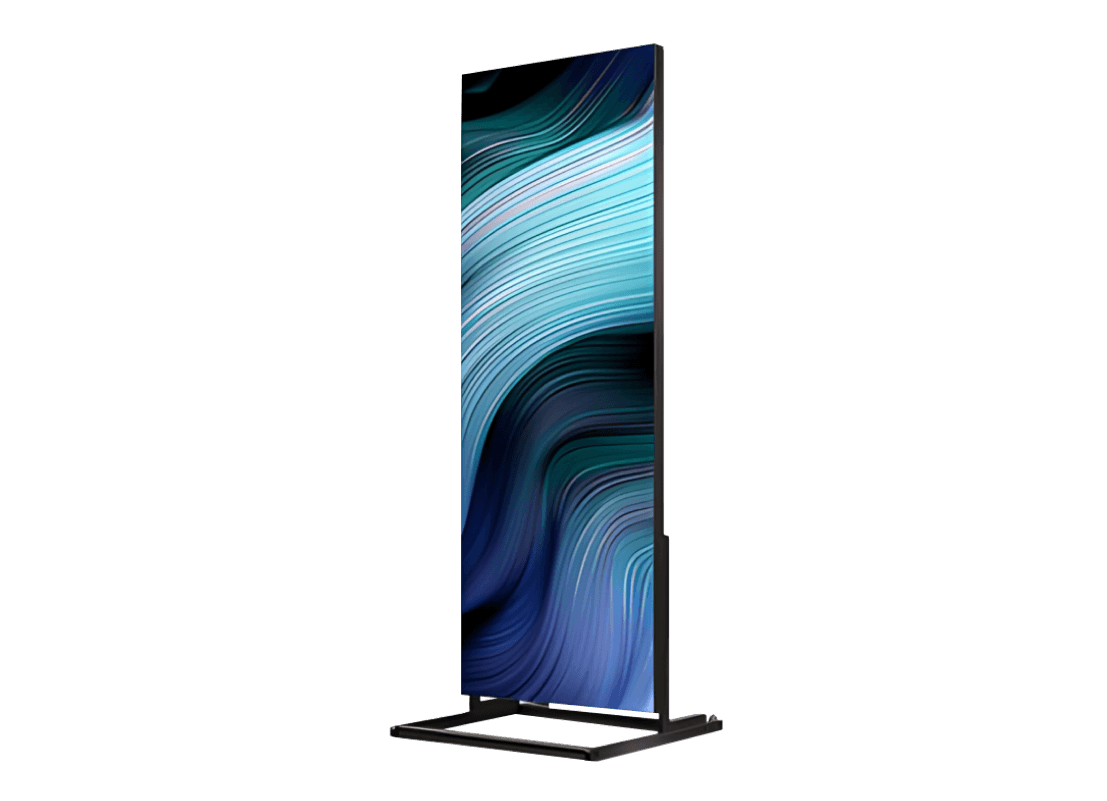
LED poster: A slim, freestanding display in a tall vertical format — like a digital version of a printed poster. It's portable, quick to set up, and ideal for promotions, entrances, and event activations. No construction needed.
Which one does your store need? If you want a permanent, high-impact brand centrepiece, go with an LED wall. If you want screens across your store showing promotions and product information, that's digital signage. If you need something portable for a specific promotion or activation, an LED poster is the fastest and most flexible option. Many retailers use all three together.
LED wall: A large, seamless display built from modular LED panels. It makes the biggest visual statement and works best for feature walls, shopfront entrances, and flagship brand displays. It's a permanent or semi-permanent installation.
Digital signage: A broader category that includes any screen used to display dynamic content in a commercial space. This covers everything from ceiling-mounted menu boards to corridor screens and product promotion displays. The screen can be LCD or LED. The key feature is that content can be updated remotely and instantly.
LED poster: A slim, freestanding display in a tall vertical format — like a digital version of a printed poster. It's portable, quick to set up, and ideal for promotions, entrances, and event activations. No construction needed.
Which one does your store need? If you want a permanent, high-impact brand centrepiece, go with an LED wall. If you want screens across your store showing promotions and product information, that's digital signage. If you need something portable for a specific promotion or activation, an LED poster is the fastest and most flexible option. Many retailers use all three together.
Is digital signage better than printed posters and tarpaulins for retail?
For most retail use cases, yes — especially over a two-to-three-year period. Here's why:
Printed signage has a hidden cost most retailers underestimate. Every time a promotion changes, you pay for new design, printing, and installation. Do that ten or twelve times a year, and the costs add up fast.
Digital signage eliminates that recurring cost entirely. You update content from a phone or laptop. The change goes live in seconds. You can run a morning promotion and a different afternoon promotion on the same screen, at no additional cost.
There's also a performance difference. Digital screens capture 400% more views than static displays. Motion content stops people. Print doesn't.
The one case where print still makes sense: a location with no power or internet access, or a message that never changes. For everything else, digital wins on both cost and effectiveness over time.
Printed signage has a hidden cost most retailers underestimate. Every time a promotion changes, you pay for new design, printing, and installation. Do that ten or twelve times a year, and the costs add up fast.
Digital signage eliminates that recurring cost entirely. You update content from a phone or laptop. The change goes live in seconds. You can run a morning promotion and a different afternoon promotion on the same screen, at no additional cost.
There's also a performance difference. Digital screens capture 400% more views than static displays. Motion content stops people. Print doesn't.
The one case where print still makes sense: a location with no power or internet access, or a message that never changes. For everything else, digital wins on both cost and effectiveness over time.
Using Audio-Visual Displays Effectively in Retail
Where in a retail store should LED walls and digital signage be placed?
Placement depends on what you want the screen to do. Different positions serve different purposes in the customer journey.
Shopfront and entrance: This is the highest-value position. A screen here works on people who haven't entered your store yet. It drives foot traffic. Use it for your most visually striking content — brand campaigns, hero product visuals, seasonal promotions. This is where a full LED wall or high-brightness window display makes the most sense.
Feature wall inside the store: The first thing customers see when they walk in. Use it for brand storytelling, new arrivals, and campaign imagery. This sets the tone for the entire store experience.
Aisle and category zones: Screens placed near specific product categories perform well for targeted promotions and product information. Customers in that aisle are already interested in that category — a relevant screen nudges them toward a purchase.
Checkout and queue area: The highest dwell-time zone in the store. Customers waiting to pay have nothing else to do. This is a prime spot for impulse purchase prompts, loyalty programme messages, and social proof content.
Shopfront and entrance: This is the highest-value position. A screen here works on people who haven't entered your store yet. It drives foot traffic. Use it for your most visually striking content — brand campaigns, hero product visuals, seasonal promotions. This is where a full LED wall or high-brightness window display makes the most sense.
Feature wall inside the store: The first thing customers see when they walk in. Use it for brand storytelling, new arrivals, and campaign imagery. This sets the tone for the entire store experience.
Aisle and category zones: Screens placed near specific product categories perform well for targeted promotions and product information. Customers in that aisle are already interested in that category — a relevant screen nudges them toward a purchase.
Checkout and queue area: The highest dwell-time zone in the store. Customers waiting to pay have nothing else to do. This is a prime spot for impulse purchase prompts, loyalty programme messages, and social proof content.
What kind of content works best on retail LED walls and digital signage?
Content that communicates fast. Your typical retail customer walks past a screen at normal walking speed. You have two to three seconds to land your message.
The most effective retail screen content shares a few things in common: it uses motion to stop the eye, leads with a clear visual (not dense text), has one message per screen or per rotation slot, and is refreshed regularly so it doesn't become invisible through familiarity.
Specific content types that perform well in retail include short product videos (15 to 30 seconds), countdown timers for flash sales, seasonal campaign visuals, price and promotion messaging, and social proof content like customer reviews or social media posts.
The biggest mistake retailers make is treating digital screens like digital posters — uploading a static image and leaving it unchanged for months. Dynamic content, updated regularly, is what keeps a screen working hard.
The most effective retail screen content shares a few things in common: it uses motion to stop the eye, leads with a clear visual (not dense text), has one message per screen or per rotation slot, and is refreshed regularly so it doesn't become invisible through familiarity.
Specific content types that perform well in retail include short product videos (15 to 30 seconds), countdown timers for flash sales, seasonal campaign visuals, price and promotion messaging, and social proof content like customer reviews or social media posts.
The biggest mistake retailers make is treating digital screens like digital posters — uploading a static image and leaving it unchanged for months. Dynamic content, updated regularly, is what keeps a screen working hard.
Can I update my digital signage content remotely, or does someone need to visit each screen?
Remotely — from anywhere with an internet connection. Most digital signage systems run a cloud-based content management system (CMS). You log in from your phone, laptop, or tablet, upload new content, and it goes live on your screens within seconds.
Are LED posters, walls, and other digital signages useful for retail stores, or are they just for events?
Both. LED posters are most associated with events and activations, but they're increasingly common as a permanent in-store tool — particularly in retail environments where the layout changes regularly or where floor space is at a premium.
In a retail context, LED posters work especially well near store entrances, at the end of aisles, beside fitting rooms, and at checkout queues. They're freestanding, so they require no construction or wall mounting. They can be repositioned whenever a store layout changes.
For seasonal campaigns specifically, an LED poster is often more cost-effective than a mounted screen because it can be moved and reused in a different part of the store each season. And unlike a printed standee, the content on an LED poster can be updated in seconds without replacing any physical material.
In a retail context, LED posters work especially well near store entrances, at the end of aisles, beside fitting rooms, and at checkout queues. They're freestanding, so they require no construction or wall mounting. They can be repositioned whenever a store layout changes.
For seasonal campaigns specifically, an LED poster is often more cost-effective than a mounted screen because it can be moved and reused in a different part of the store each season. And unlike a printed standee, the content on an LED poster can be updated in seconds without replacing any physical material.
Installation, Service, and Warranty
Do you supply and install both indoor and outdoor LED walls?
Yes. The Brain Computer Corporation supplies and installs LED walls and LED screens for both indoor and outdoor environments. Our indoor LED screen panels are ideal for retail stores, corporate lobbies, churches, and event venues.
Our outdoor LED wall displays are weatherproofed, high-brightness, and built to stay visible in direct sunlight — perfect for building facades, storefronts, and open-air venues across the Philippines.
Our outdoor LED wall displays are weatherproofed, high-brightness, and built to stay visible in direct sunlight — perfect for building facades, storefronts, and open-air venues across the Philippines.
Can you provide custom-shaped LED displays — like cubes, spheres, strips, or transparent LED screens?
Yes. We supply and install custom-shaped LED screen panels in virtually any form — including cube displays, sphere LED walls, LED strip configurations, and transparent LED wall displays.
Whether you need a creative installation for a retail activation, an event stage, or an architectural feature, our team designs and builds custom LED wall solutions matched to your exact space and vision. If you can imagine the shape, we can build the display.
Whether you need a creative installation for a retail activation, an event stage, or an architectural feature, our team designs and builds custom LED wall solutions matched to your exact space and vision. If you can imagine the shape, we can build the display.
Is delivery and installation included in the quotation?
Yes, delivery and installation are included in the quotation unless otherwise stated.
Do you provide spare parts for LED walls?
Yes, we provide spare parts for LED walls to support maintenance and long-term use.
What is your LED wall warranty policy?
Our LED walls come with a 2-year warranty, covering service and support within the warranty period.
Do you have in-house technicians for installation, servicing, and support?
Yes, we have in-house technicians who handle installation, servicing, and technical support.
Having in-house service capability means that when a maintenance issue arises, the same team that installed your system is the team that comes to resolve it — with direct knowledge of your specific installation, its configuration, and its history.
Having in-house service capability means that when a maintenance issue arises, the same team that installed your system is the team that comes to resolve it — with direct knowledge of your specific installation, its configuration, and its history.


