April 20, 2026
At first glance, a meeting room may seem like a purely functional space—a table, a few chairs, and a screen. But in reality, the environment in which a meeting takes place shapes how people communicate, participate, and make decisions. It influences not just what is said, but how it is received.
A well-designed meeting environment sends a clear message. It signals that discussions are taken seriously. That time is valued. That every participant is expected to contribute meaningfully. On the other hand, a poorly set-up meeting space—where audio is unclear, conversations overlap, or participants struggle to follow—can quickly undermine credibility. Even strong ideas can lose impact when the environment does not support them.
People respond to their surroundings more than they realize. In a space where communication flows smoothly, participants are more likely to stay engaged, listen actively, and contribute with confidence. Conversations feel more focused, and decisions are easier to reach. In contrast, when the environment creates friction, attention drifts. Participation becomes uneven. Meetings feel longer and less productive.
Professionalism is not just about appearance—it’s about consistency. Organizations that maintain a high standard in how their meetings are conducted create a more reliable experience for everyone involved. Whether it’s a small internal discussion or a large, high-stakes meeting, the expectation remains the same: clarity, structure, and respect for everyone’s time.
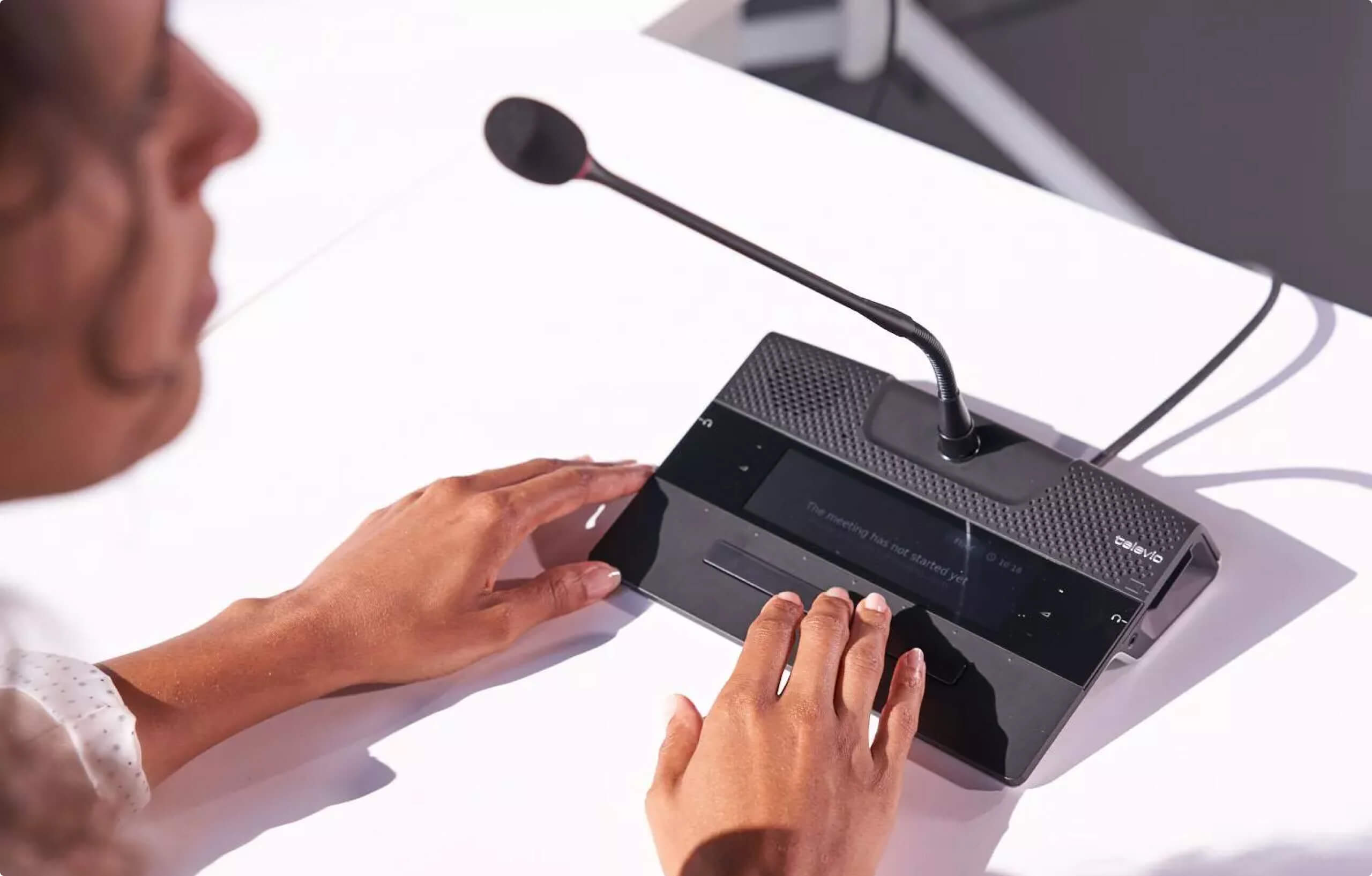
This is where solutions from Televic come in. Televic focuses on creating meeting environments that support clear communication and structured discussions, ensuring that every participant can follow, contribute, and stay engaged. By removing common points of friction and enabling a smoother flow of conversation, meetings feel more cohesive and more professional—regardless of their scale.
In many ways, the way an organization runs its meetings reflects how it operates as a whole. Clear, well-structured meetings suggest clarity of thought and direction. Disorganized ones suggest the opposite. Because ultimately, a meeting is not just a discussion. It is a representation of how an organization communicates, decides, and leads.