April 22, 2026
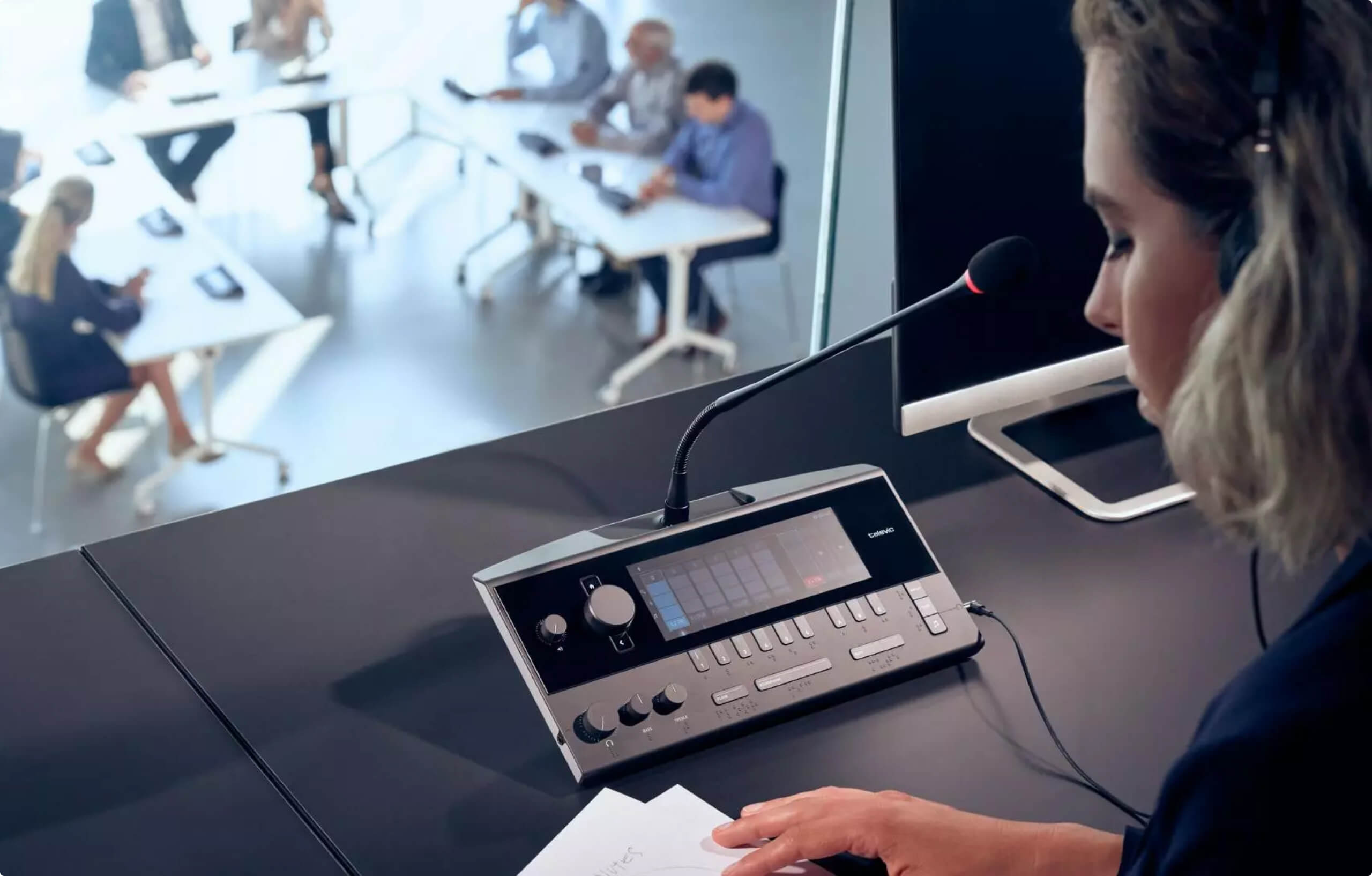
Most meetings are judged by what’s visible—who spoke, what was discussed, and what decisions were made. But beneath the surface, there are quieter forces at play. These are the factors that shape how conversations unfold, how people participate, and ultimately, how effective a meeting becomes. They are rarely acknowledged, yet they influence everything.
One of the most overlooked factors is clarity. When communication is clear, ideas move quickly. Participants stay engaged, discussions remain focused, and decisions feel natural. When clarity is missing, even simple conversations become difficult to follow. People hesitate to contribute, misunderstandings build, and progress slows without anyone fully realizing why.
Every meeting has a rhythm. Some flow effortlessly, with ideas building on one another. Others feel fragmented, with interruptions, overlaps, and awkward pauses disrupting the discussion. This flow is not accidental. It is shaped by how the meeting is structured—how participants take turns, how transitions are handled, and how the conversation is guided from one point to the next.
The physical and virtual environment also plays a significant role. When participants can hear clearly, see who is speaking, and follow the discussion without effort, they are more likely to stay engaged. The meeting feels cohesive. When the environment introduces friction—unclear audio, missed cues, difficulty following—the experience becomes fragmented. Attention drifts, and participation becomes uneven.
This is where systems from Televic make a difference. Televic focuses on creating meeting environments where these hidden factors are carefully aligned—where communication is clear, conversations flow naturally, and every participant can engage without friction. By addressing what often goes unnoticed, meetings become more focused, more inclusive, and more effective.
At its core, a meeting is not defined only by what is said. It is shaped by how easily people can follow, contribute, and connect with the discussion. And often, it is these hidden factors—not the agenda—that determine whether a meeting succeeds or falls short.